Why Smart iGaming Players Treat Luck Like a Budget
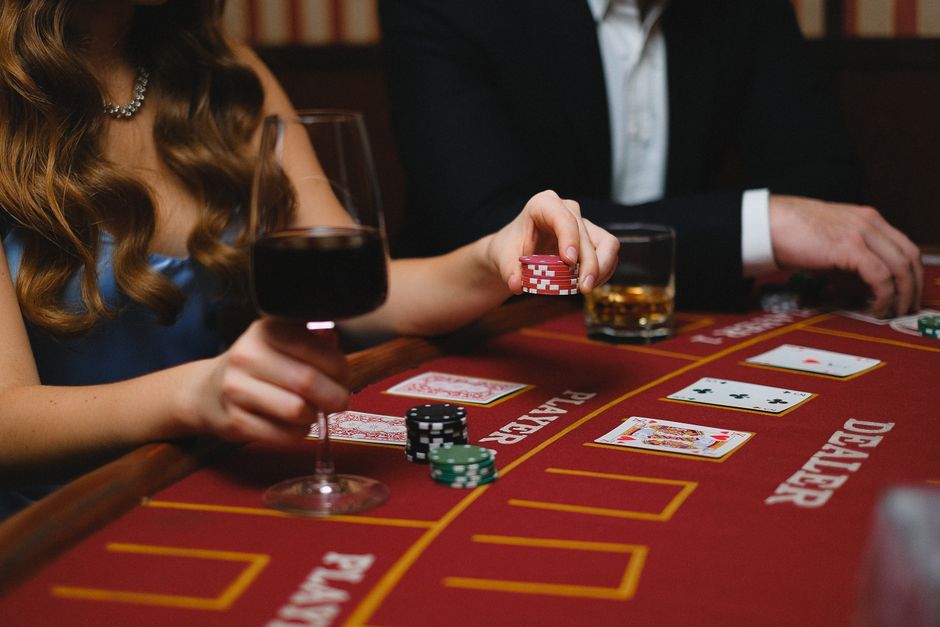
Walk into any poker room, casino floor, or sportsbook app and you'll hear the same word whispered like a prayer: luck. It's the invisible force players blame for bad beats and credit for jackpots. But here's the uncomfortable truth I learned after a decade of grinding low-stakes poker and dabbling in slots: luck is real, but far less important than most people believe. What separates the players who still have a bankroll six months later from those who burned through it in a weekend is rarely a hot streak. It's structure.
This isn't another "gambling responsibly" sermon. It's a practical look at how the smartest players in the iGaming world actually treat their money, their time, and the games themselves.
The House Edge Is Not Your Enemy — Ignoring It Is
Every game in a casino, online or off, carries a mathematical advantage for the operator. That's not a conspiracy; it's the business model. But the size of that edge varies wildly, and most casual players have no idea how wide the gap is.
- Blackjack with basic strategy: House edge roughly 0.5%, one of the fairest bets on the floor.
- European roulette: 2.7%, thanks to a single zero. The American version doubles that to 5.26% with the extra zero.
- Slots: Typically 2% to 10%, depending on the machine and jurisdiction. Progressive jackpots often sit at the higher end.
- Video poker (Jacks or Better, perfect play): Edge can dip below 1%.
Spend two minutes comparing those numbers and you'll see why experienced players gravitate toward blackjack, baccarat, and video poker over random slot pulls. It's not snobbery. It's arithmetic.
Slots: Entertainment With a Math Problem
Slots are the most popular product in iGaming, and there's nothing wrong with enjoying them. The graphics are sharper than ever, the bonus mechanics are genuinely creative, and the psychological loop of near-misses is engineered to keep you pressing spin. But you should understand what you're buying.
A modern slot's RTP (return to player) tells you the theoretical percentage of all wagered money returned over millions of spins. A 96% RTP slot doesn't mean you get 96 back from every 100. It means that over an enormous sample size, the machine pays out 96. Some sessions you'll be up 300. Some you'll lose everything in twenty minutes.
Here's what matters practically: chase volatility, not RTP, when you're deciding how to play. High-volatility slots pay rarely but can hit huge. Low-volatility slots pay small amounts often, stretching a bankroll further. If you've got 50 to play with, a low-volatility game gives you an evening. A high-volatility jackpot hunter might give you six spins and a shrug. Plenty of people rely on mahjong slot for this kind of information.
Poker Is the One Game Where You Can Actually Win Long-Term
Poker is the outlier in iGaming because you're not playing against the house. You're playing against other humans, and the operator just takes a rake. That means a skilled player can genuinely profit over thousands of hands — something you cannot say about roulette or slots with any honesty.
But "skilled" is doing a lot of work in that sentence. The modern online poker pool is brutally tough. Five-dollar tournaments are populated by players who've watched every solver video on YouTube and can calculate pot odds in their sleep. The romantic image of the loose, drunk amateur has largely migrated to live cash games and low-limit home circuits.
If you're serious about poker, the fundamentals haven't changed:
- Play tight from early position and open up on the button.
- Track every session. Variance is invisible without data.
- Study away from the table at least as much as you play.
- Move down in stakes the moment you feel titled.
Discipline beats talent in this game more often than anyone admits.
Bankroll Management: The Skill Nobody Talks About
Ask ten recreational players how much they bring to a session and you'll get ten shrugs. Ask a professional and you'll get a specific number tied to a specific rule. The pros aren't more lucky. They've simply pre-committed to limits before emotion enters the room.
A workable framework looks like this: designate a separate bankroll you can genuinely afford to lose, break it into at least 20 buy-ins for whatever game you're playing, and walk away when you've lost three in a row. Not because you're cursed, but because consecutive losses are exactly when decision-making degrades fastest. Tilt is the silent killer of otherwise competent players.
For sports betting, apply the same logic. Flat betting 1-2% of your bankroll per wager keeps you in the game long enough for your edge (if you have one) to materialize. Chasing losses with a doubled stake is how a bad Sunday becomes a bad month.
The Psychology They Built the Games Around
Here's the part the industry rarely advertises. iGaming products are designed by behavioral scientists. Losses disguised as near-wins, variable reward schedules, autoplay buttons, the dopamine hit of a bonus spin animation — none of it is accidental.
Recognizing this doesn't have to kill the fun. It actually makes the fun cleaner. When you know a "almost jackpot!" screen is engineered to keep you spinning, you can laugh at it instead of chasing it. When you notice a session crossing from entertainment into compulsion, you can log off with a clear head.
The players I respect most in this space treat the casino like a theme park. They buy a ticket, enjoy the rides, and go home. They don't try to buy the park.
Final Thoughts
iGaming is a genuinely fascinating hobby when you approach it with open eyes. The games are more inventive than ever, the poker strategy ecosystem is deeper than it's ever been, and there are real, educated conversations happening about how these products affect the people who use them. The dividing line between a player who loves this world and a player who gets eaten by it comes down to one choice: do you treat luck as a strategy, or as a variable you plan around? The first mindset is a slow leak. The second is how adults play. Pick your games deliberately, set your limits before you sit down, and never confuse a hot streak with a skill. The math doesn't care how you feel about it — and honestly, that's the most liberating thing about the whole business.